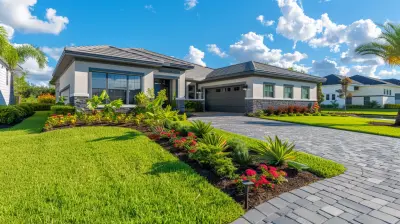
How to Ensure Your New Construction Home Meets HOA Standards
5 March 2026
Building a new home in a neighborhood governed by a homeowner's association (HOA) comes with its own set of challenges. While you’re excited about designing your dream home, you also need to ensure it meets the HOA’s rules and regulations. Otherwise, you could face costly fines, frustrating delays, or even be forced to make changes after construction.
So, how do you ensure your new home stays on the right side of the HOA? Let's break it down step by step so that your home-building journey is smooth and hassle-free.

Understanding Your HOA’s Governing Documents
Every HOA operates under a set of governing documents that outline the rules and regulations homeowners must follow. These documents typically include:- Covenants, Conditions, and Restrictions (CC&Rs): These dictate what can and cannot be done with your property.
- Bylaws: These govern how the HOA operates, including enforcement procedures.
- Architectural Guidelines: Specific rules about home design, exterior colors, landscaping, and more.
Before you even think about breaking ground, get your hands on these documents. Read them carefully so you understand what’s allowed and what’s not. If anything is unclear, reach out to the HOA board for clarification.
Choosing an HOA-Compliant Home Design
Once you know the rules, it’s time to design your home. But there's a catch—you need to make sure your plans align with HOA requirements. Here’s how:1. Follow Architectural Style Guidelines
Most HOAs want homes in their communities to maintain a certain aesthetic. That could mean requiring specific architectural styles like Colonial, Craftsman, or Mediterranean. If your dream home leans toward modern glass exteriors but your HOA favors traditional brick homes, you may need to adjust your design.2. Stick to Approved Exterior Materials and Colors
Think you can paint your home any color you like? Not so fast. HOAs often have strict rules on exterior materials and paint colors. Some communities only allow neutral tones, while others restrict certain finishes, such as stucco or metal siding.3. Adhere to Setback and Height Restrictions
HOAs also control how far your home must be from property lines (setbacks) and how tall it can be. Before finalizing your blueprints, confirm that your design doesn’t exceed the allowed height or encroach on setback limits.4. Consider Roof and Window Regulations
Many HOAs dictate specific roofing materials, colors, and styles. Some even have restrictions on the types of windows you can install. If your HOA prefers asphalt shingles over metal roofing, you’ll want to adjust your plans accordingly.
Getting HOA Approval Before Breaking Ground
Even if your design meets the guidelines, you typically need HOA approval before construction begins. Here’s what the approval process usually looks like:1. Submit Your Plans – Most HOAs require homeowners to submit detailed architectural plans for review. This often includes blueprints, exterior renders, and material lists.
2. Wait for a Decision – The HOA board or an architectural review committee will evaluate your plans. This can take anywhere from a few weeks to a few months.
3. Make Necessary Adjustments – If the HOA requests modifications, make the changes and resubmit your plans.
4. Obtain Written Approval – Never assume verbal approval is enough. Get official documentation that your plans have been greenlit.
Skipping this step can lead to major headaches, including stop-work orders or expensive redesigns.
Ensuring Your Builder Follows HOA Rules
Even with HOA-approved plans, it’s still important to make sure your builder sticks to the guidelines throughout construction. Here’s how you can stay on top of things:1. Hire an HOA-Experienced Builder
A contractor familiar with working in HOA-governed communities will already know the common pitfalls and how to avoid them. Ask potential builders if they’ve handled HOA-compliant projects before.2. Review the HOA Guidelines with Your Contractor
Make sure your builder understands the restrictions before starting the project. From exterior finishes to landscaping, every detail must align with HOA standards.3. Schedule Progress Checks
Don’t just assume everything is going as planned—visit the site regularly to ensure things are on track. If you notice any deviations from approved plans, address them immediately to avoid issues with the HOA.4. Get HOA Approval for Changes
Construction projects rarely go 100% according to plan. If changes are necessary—say, switching roofing materials due to supply shortages—get HOA approval before moving forward.Meeting HOA Requirements for Landscaping and Outdoor Features
Your home’s exterior isn’t the only thing under HOA scrutiny. Landscaping, fencing, and outdoor features must also comply with community standards.1. Follow Landscaping Rules
HOAs often have strict landscaping guidelines, covering everything from grass types to the number of trees in your yard. Some even prohibit certain plants or require lawns to be maintained at a specific height.2. Fence and Outdoor Structure Regulations
Thinking about adding a fence, pergola, or even a playset for the kids? Check with your HOA first. Fencing height, material, and placement are usually regulated, and additional structures may require prior approval.3. Be Mindful of Driveways and Sidewalks
Your HOA may have specific requirements for driveway materials and width, as well as rules about maintaining sidewalks in front of your property. Ensure any paved surfaces meet these standards.
Avoiding Common HOA Violations During Construction
Even with the best intentions, some homeowners still end up violating HOA rules. Here are a few common mistakes to watch out for:- Using non-approved exterior materials – Always double-check that your builder is using the materials approved in your HOA submission.
- Making unauthorized design changes – Even small tweaks, like changing the front door design, could lead to issues. Get HOA approval if modifications are necessary.
- Neglecting temporary construction rules – Some HOAs regulate construction hours, on-site dumpsters, and parking for construction vehicles. Ignoring these can lead to fines.
- Ignoring post-construction approvals – Even after your home is built, some HOAs require a final inspection to ensure it matches the approved design.
What to Do If Your HOA Rejects Your Plans
If your HOA denies your building plans, don’t panic. Here’s what you can do:1. Ask for Specific Reasons – Request a detailed explanation of why your plans were rejected.
2. Address the Issues – Modify your design to meet HOA standards and resubmit for approval.
3. Request a Variance – If your changes are minor or reasonable, you can request an exception (variance) from the HOA board.
4. Appeal the Decision – If you believe the rejection is unfair, you may have the option to appeal the decision through formal HOA procedures.
Final Thoughts
Ensuring your new construction home meets HOA standards might seem like a hassle, but it’s a necessary step to protect your investment and maintain harmony in the community. By reviewing your HOA’s governing documents, designing within the rules, securing proper approvals, and working with experienced contractors, you can avoid costly mistakes and build a home that fits seamlessly into your neighborhood.Remember, the HOA isn’t there to make your life difficult—it’s there to preserve property values and ensure the community remains an attractive place to live. Stay proactive, communicate openly, and you’ll be well on your way to a stress-free home-building experience.
all images in this post were generated using AI tools
Category:
Hoa GuidelinesAuthor:

Lydia Hodge
Discussion
rate this article
2 comments
Milena Potter
Great article! Navigating HOA standards can be daunting for new homeowners. It's important to stay informed and proactive during the construction process to ensure compliance. Your tips are practical and reassuring, helping to foster a positive relationship with the HOA and ensuring a smooth transition into your new home.
March 14, 2026 at 1:37 PM
Lydia Hodge
Thank you for your kind words! I'm glad you found the tips helpful for navigating HOA standards. Wishing you a smooth transition into your new home!
Lys Sullivan
Great tips! Remember, building your dream home is a fun journey—just keep those HOA standards in mind for smooth sailing!
March 7, 2026 at 2:06 PM
Lydia Hodge
Thanks for the reminder! Keeping HOA standards in mind makes the process even better.