How to Prepare for Your First Property Auction
7 July 2026
So, you’re gearing up for your first property auction? Exciting, right? But let’s be real—property auctions can be a rollercoaster of emotions. One minute, you’re pumped about landing a steal, and the next, you’re panicking over bidding wars and legal jargon.
Don’t worry—I’ve got your back. In this guide, we’re breaking down everything you need to know about preparing for your first property auction. From researching properties to nailing your bidding strategy, we’ll cover it all. Let’s get you ready to walk into that auction room (or log in online) with confidence!

1. Understand How Property Auctions Work
Before you dive in, it's crucial to grasp how auctions actually function. Unlike traditional buying methods, where negotiations can drag on, auctions are swift, competitive, and legally binding.Here’s a quick breakdown:
- Reserve Price: This is the minimum price the seller is willing to accept. If bidding doesn’t reach this price, the property won’t sell.
- Guide Price: An estimated price to attract buyers. It’s not necessarily the final selling price.
- Hammer Price: The final bid when the auctioneer slams down the gavel. If you’re the highest bidder, congratulations—you've just bought a property!
Once the hammer falls, there’s no backing out. You typically need to pay a deposit (usually 10%) on the spot and settle the remaining balance within 28 days. So, know the rules before you jump in.
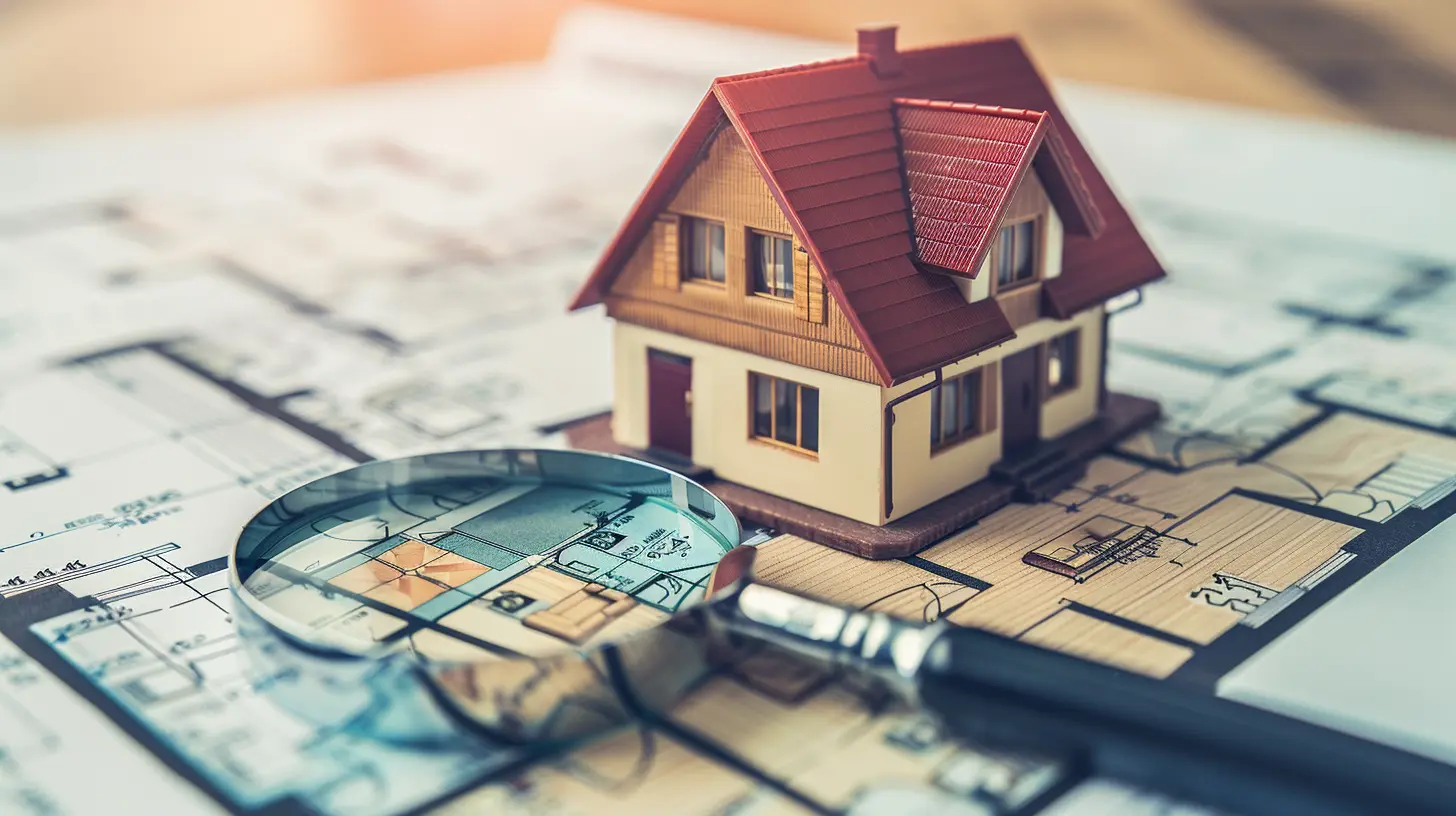
2. Do Your Research Like a Pro
Would you buy a car without checking its history? No? Then don’t buy a property without digging into the details.Find the Right Property
Start by browsing auction catalogs from reputable auction houses. Websites like Auction House, Allsop, or Clive Emson provide detailed listings. Look for properties that match your investment goals—whether it’s a fixer-upper, a rental property, or your future home.Check the Legal Pack
Every auction property comes with a legal pack, which includes:- Title deeds (ownership proof)
- Search results (local authority checks)
- Energy Performance Certificate (EPC)
- Leasehold details (if applicable)
- Special conditions of sale
These documents can reveal red flags, like outstanding debts or restrictions. If legal jargon makes your head spin, get a solicitor to review it for you. It’s a small price to pay for peace of mind.
Research Property Values
Just because a property looks like a bargain doesn’t mean it is one. Check sold prices of similar properties in the area using sites like Rightmove or Zoopla. If a property’s guide price is way lower than its market value, ask yourself—why? Is there structural damage? Planning restrictions? Hidden costs? Do your homework!
3. Get Your Finances in Order
You can’t bid without money in place—simple as that. Since auction purchases require fast payment, you need financing sorted beforehand.Set a Budget and Stick to It
Auctions get heated. The last thing you want is to get caught up in the adrenaline and overspend. Before bidding, decide:- Your absolute maximum bid (and don’t go a penny over it)
- Additional costs (stamp duty, legal fees, renovation expenses)
Sort Out Your Deposit and Funding
Most auction houses require a 10% deposit on the day of the auction. The remaining amount is due within 28 days, so unless you have the full amount in cash, you’ll need financing.Your options:
- Cash Buyers: The easiest and fastest option.
- Auction Finance (Bridging Loans): A short-term loan that helps you complete the transaction while you arrange a mortgage.
- Buy-to-Let Mortgages: If you’re investing in a rental, check auction-friendly lenders.
Make sure your funds are readily accessible because delays can cost you the deal—and your deposit!

4. Visit the Property Before Bidding
A picture might be worth a thousand words, but when it comes to property, pictures can lie. Never bid on a house you haven’t visited.What to look for during viewing:
- Structural issues (cracks, damp, subsidence)
- Neighborhood appeal (noise levels, amenities, transport links)
- Potential renovation costs (outdated plumbing, roofing issues)
Can’t view it yourself? Send a surveyor or trusted contractor. A quick glance could save you thousands in unexpected repairs.
5. Have a Bidding Strategy
Bidding at an auction is part skill, part nerve, and a whole lot of self-control. Walk in (or log in) with a game plan.Decide When to Start Bidding
- If you bid too early, you’ll drive up competition.- If you bid too late, you risk missing out.
A smart move? Wait and watch. See how the bidding unfolds before making your move.
Bid with Confidence
Auctioneers and other bidders can smell hesitation. If you’re bidding, do it with conviction. Quick, decisive bids show you mean business and can sometimes intimidate the competition.Don’t Get Swept Up in the Moment
It’s easy to get caught in a bidding war, but remember—your pre-set budget is your lifeline. If the price creeps above your limit, walk away. Another deal will come along.
6. Understand the Post-Auction Process
If you win, congrats! But now the real work begins.Immediate Payments
- Pay your 10% deposit immediately.- Settle auction fees (buyer’s premium, admin charges).
Finalizing the Sale
You generally have 28 days to complete the transaction. This is where your solicitor finalizes everything—contracts, payments, and title transfers.If you don’t complete the purchase in time, you could lose your deposit and even face legal action. So, stay on top of the process!
7. What if a Property Doesn’t Sell?
Not all auction properties find a buyer. If a property fails to reach its reserve price, it’s labeled “unsold”. But don’t walk away just yet! Contact the auctioneer—they often allow post-auction negotiations. You might snag a deal without the competitive pressure of live bidding.
Final Thoughts
Your first property auction can feel like stepping into a battlefield—but with the right strategy, you’ll come out victorious. Do your research, set your budget, and bid with confidence. Remember, patience is key. Auctions are fast-paced, but your approach should be calculated, not reckless.Now, take a deep breath, sharpen your bidding skills, and let’s get you that first auction property!
all images in this post were generated using AI tools
Category:
Real Estate AuctionsAuthor:

Lydia Hodge
Discussion
rate this article
2 comments
Leo Walker
Dress sharp... you never know when a bidding war turns stylish!
August 24, 2026 at 4:54 AM
Lydia Hodge
Thanks for the reminder! Looking sharp definitely adds confidence in the bidding room.
Kimberly Lewis
Preparing for your first property auction can be daunting. Do your research on the property, understand the bidding process, and set a firm budget. Go in with confidence and remember, it's okay to walk away if it doesn't feel right... Happy bidding!
July 8, 2026 at 2:39 AM
Lydia Hodge
Thanks for the advice! Research and a solid budget are key. I'll keep the importance of confidence in mind.