Why Millennials and Gen Z are Flocking to Urban Living
6 January 2026
The way people choose where to live is changing dramatically, and two generations—Millennials and Gen Z—are leading the charge. Unlike their parents and grandparents, who often sought the suburban dream of a house with a white picket fence, these younger generations are opting for the hustle and bustle of city life. But why? What is it about urban living that’s drawing them in?
Let’s dive into the key reasons why Millennials and Gen Z are leaving behind the quiet suburbs for the dynamic energy of metropolitan areas.

1. Convenience is King
One of the biggest draws of urban living is sheer convenience. Cities offer everything at your fingertips—restaurants, grocery stores, gyms, coffee shops, cultural attractions, and nightlife, all within walking distance or a short public transit ride away.Access to Amenities
Living in a city means that you rarely have to travel far to find what you need. Want to grab a late-night snack? There’s likely a convenience store open 24/7 around the corner. Need to hit the gym before work? There’s probably a fitness center just down the block.Car-Free Lifestyle
Let's be honest—owning a car is expensive. Between gas, insurance, maintenance, and parking fees, the costs add up fast. Many Millennials and Gen Zers prefer to ditch car ownership altogether, relying instead on public transportation, rideshare services, biking, or simply walking. Cities make it easy to live without a car, which not only saves money but is also better for the environment.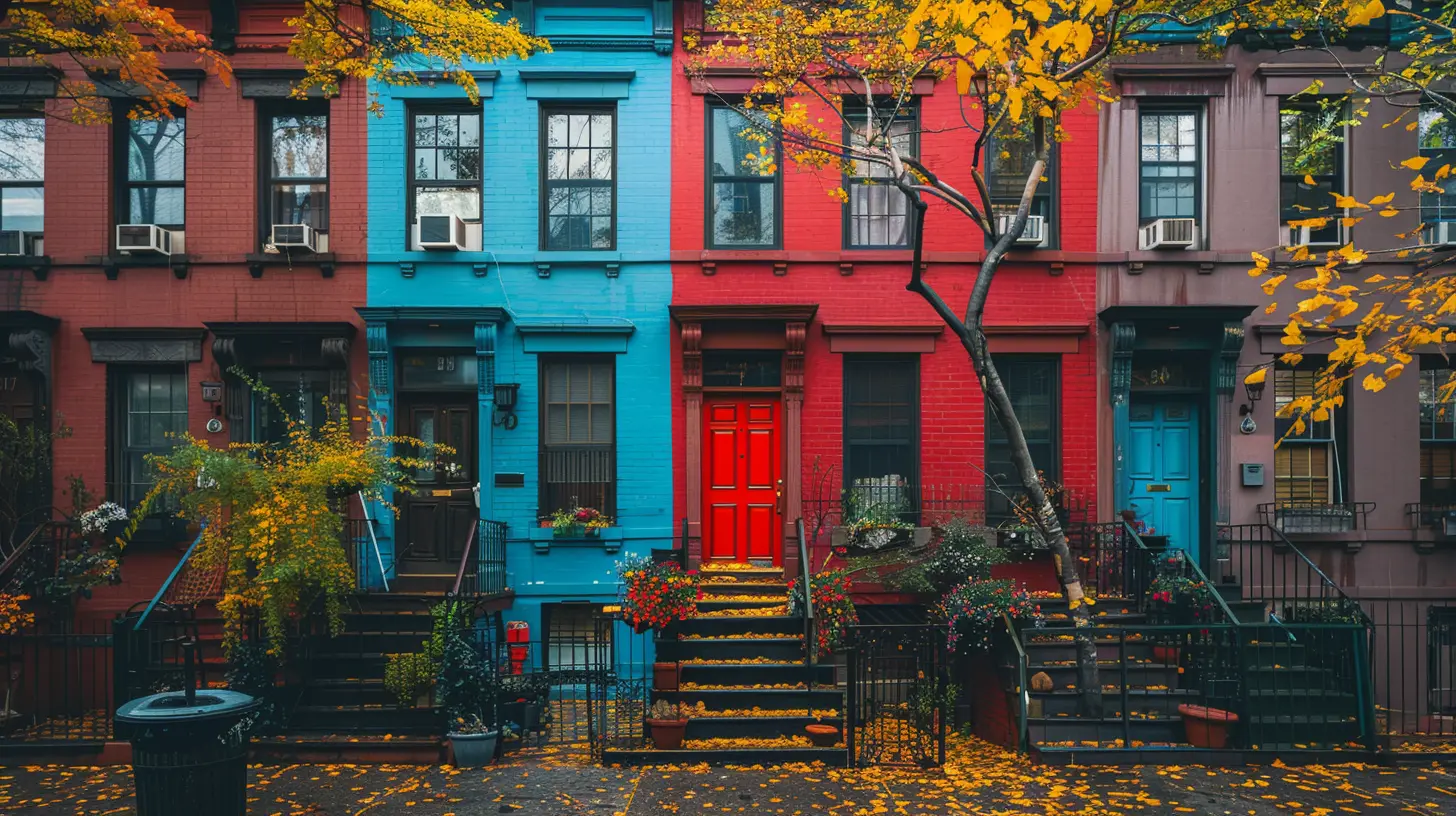
2. Job Opportunities and Career Growth
For young professionals, big cities are where the jobs are. Major urban centers house corporate headquarters, tech startups, and creative industries that offer more opportunities for career growth.Networking and Professional Development
Being in a city means easier access to networking events, seminars, co-working spaces, and industry conferences. It’s much easier to connect with like-minded professionals or even bump into a potential employer at a coffee shop.Higher Salaries (Even if Cost of Living is High)
While cities tend to have a higher cost of living, they also come with higher salaries. Companies based in urban areas often offer better wages and benefits than those in suburban or rural communities, making it possible to afford city life.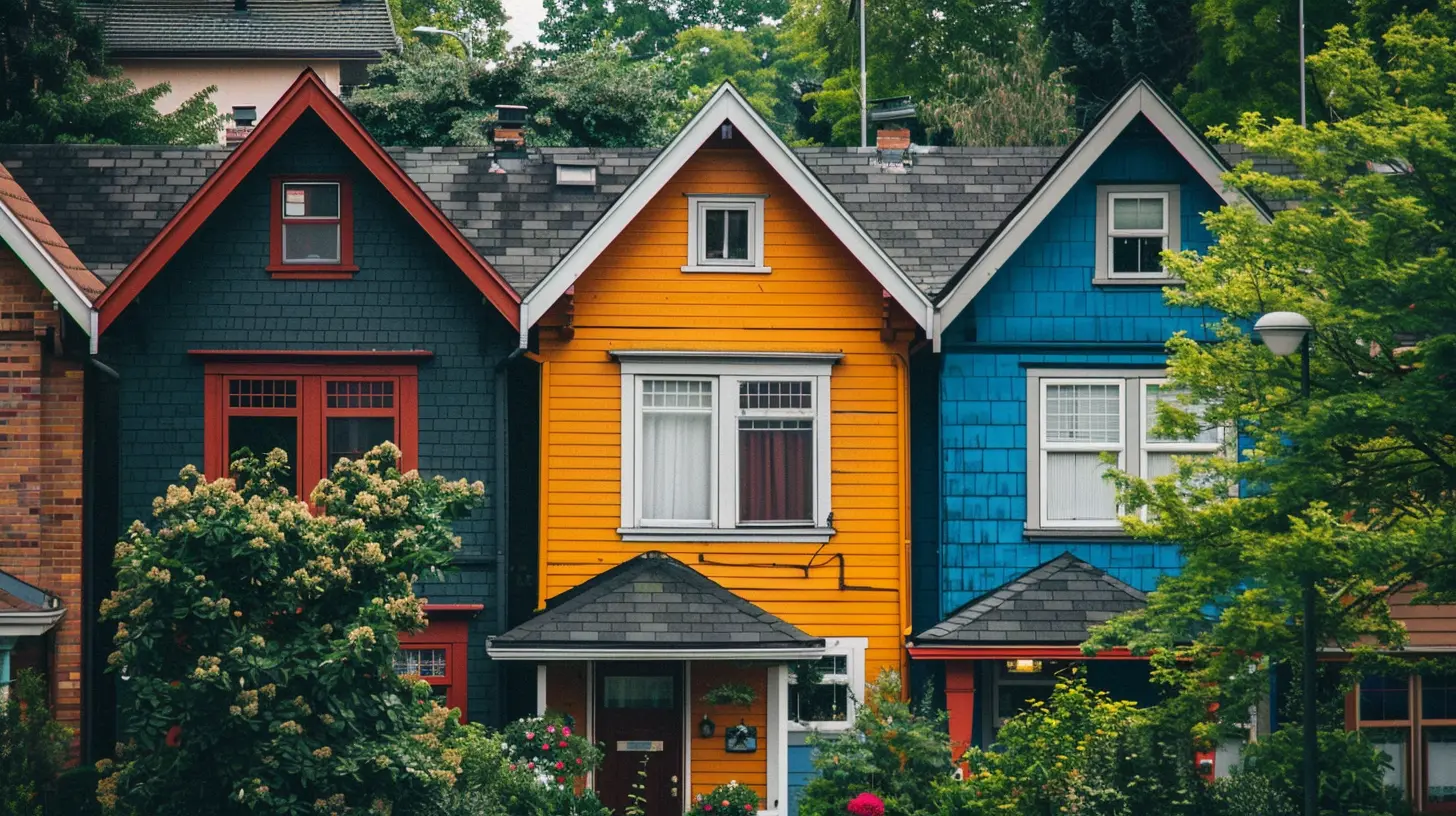
3. The Social Scene & Entertainment
Let’s face it—life in the city is just more exciting. No matter your interests, there’s always something happening.Vibrant Nightlife and Cultural Events
Whether it’s live music, art galleries, comedy shows, or food festivals, cities have an endless supply of entertainment. Being able to spontaneously meet up with friends for a concert or a happy hour without a long drive? That’s a big plus.Diverse Dining Options
Millennials and Gen Z love good food, and urban areas come packed with diverse culinary experiences. From trendy brunch spots to international cuisine and food trucks, city living means never running out of new places to eat.
4. Freedom and Independence
Living in a city provides a sense of independence and autonomy that suburban or rural life often lacks.Less Reliance on Family Support
Many young adults want to prove they can make it on their own. Living in a city, where they have access to jobs, transportation, and social opportunities, allows them to thrive without depending on their parents for rides or financial support.Flexibility in Lifestyle Choices
Cities generally have a wider variety of housing options, whether it’s renting a small studio, co-living with roommates, or finding an affordable micro-apartment. This flexibility allows young people to craft a lifestyle that suits their needs and budget.5. Sustainability and Environmental Consciousness
Millennials and Gen Z care more about sustainability than previous generations. Urban living aligns with their eco-conscious values in several ways.Reduced Carbon Footprint
Since city dwellers rely less on cars and more on public transportation, biking, or walking, they contribute less to carbon emissions. High-density living also leads to more energy-efficient housing compared to single-family suburban homes.Support for Local and Sustainable Businesses
Many younger people prefer to shop at farmers' markets, support small businesses, and engage in sustainable consumer habits—all of which are more accessible in cities.
6. The Rise of Remote Work and Co-Living Spaces
The way people work is evolving. With remote work becoming more common, many Millennials and Gen Zers are no longer tied to office locations. However, many choose to stay in cities for the lifestyle perks.The Appeal of Co-Working Spaces
Rather than working from home in isolation, many urban dwellers prefer co-working spaces where they can be productive while still engaging with others.Co-Living as an Affordable Alternative
Rising rent prices haven’t stopped young people from city living. Many turn to co-living arrangements—essentially modernized communal living spaces—where they share common areas but have private rooms. This setup makes urban life more affordable while maintaining a strong sense of community.7. Fear of Missing Out (FOMO) is Real
In today's world, social media plays a huge role in shaping lifestyle choices. Seeing friends and influencers enjoying the perks of city life creates a cultural pull toward urban areas.Social Media Influence
Whether it’s Instagram-worthy brunch spots, rooftop parties, or iconic street art, cities offer experiences that Millennials and Gen Z want to showcase. Social media has made city life look glamorous, fueling the desire to be where the action is.The Need for Connection
Urban areas naturally foster a sense of community. Whether through attending public events, joining social groups, or simply meeting people at a café, city living makes it easier to connect with others compared to more isolated suburban settings.
8. Changing Attitudes Toward Homeownership
Unlike previous generations, Millennials and Gen Z aren't as obsessed with the idea of owning a home. Instead, they prioritize flexibility and experiences.The High Cost of Homeownership
With rising home prices, student loan debt, and economic uncertainty, buying a house isn’t as realistic for many young adults. Renting in a city allows them to enjoy a more dynamic lifestyle without the financial burden of a mortgage.Living for Experiences Over Assets
Many younger people prefer to spend money on travel, dining, hobbies, and personal growth rather than tying themselves down with a home purchase. Urban living facilitates this by offering more opportunities for cultural and social experiences.Final Thoughts
Urban living isn’t just a trend—it’s a lifestyle choice that aligns with the values, priorities, and aspirations of Millennials and Gen Z. Whether it’s the convenience, job opportunities, social scene, or sustainability, city life offers advantages that these generations find irresistible.As cities continue to evolve and adapt to modern needs, their appeal will likely grow even stronger, keeping young people drawn to the vibrant rhythm of urban living.
all images in this post were generated using AI tools
Category:
Urban LivingAuthor:

Lydia Hodge
Discussion
rate this article
2 comments
Ivy Wright
Who needs a backyard when you have a rooftop garden and artisanal coffee around the corner?
January 21, 2026 at 6:06 AM
Lydia Hodge
Urban living offers vibrant communities and convenient amenities, making rooftop gardens and local coffee shops just as fulfilling as traditional backyards.
Indigo McPherson
Urban living fuels connection.
January 7, 2026 at 12:46 PM
Lydia Hodge
Absolutely! Urban living fosters community and connectivity, making it ideal for millennials and Gen Z seeking social engagement and shared experiences.