How To Identify Emerging Trends In Real Estate Investing
August 1, 2026 - 10:47

Real estate moves in cycles, and the investors who get ahead are usually the ones who see a shift coming before it becomes obvious. If you want to improve your commercial investing game, you need to stop chasing what is already hot and start looking for what is about to become hot. That takes a different kind of attention.
One of the first places to look is demographic data, but not the broad national numbers. You want to drill down into local age groups, household formation rates, and migration patterns. If a city is seeing a steady inflow of people in their late twenties and early thirties, that tells you something about future demand for rental housing, coworking spaces, and retail that serves young professionals. The same logic applies to older populations. Areas attracting retirees will need different property types, like medical offices or single-story senior housing.
Another useful signal is infrastructure spending. When a new transit line, highway interchange, or major utility upgrade gets approved, it changes the value of land nearby. You do not need insider knowledge. Public meeting minutes, city council agendas, and state transportation plans are all available if you are willing to read them. The trick is to track projects that are in the early planning stage, not the ones already under construction. By the time cranes are in the air, the pricing adjustment has largely happened.
You should also watch where large employers are expanding or contracting. A company announcing a new distribution center or a tech campus is an obvious clue. But smaller signals matter too. Look at job postings over several months. If a region keeps adding logistics or healthcare roles, that creates a base of workers who need places to live and shop.
Finally, pay attention to rent growth in secondary and tertiary markets. When core cities get too expensive, renters and businesses spill over into nearby towns. That spillover often starts quietly. You might see a few months of above average rent increases in a place nobody is talking about yet. That is your window.
None of this is magic. It is just consistent observation and a willingness to act before the crowd shows up. The investor who can read those early signs will always have an edge over the one who only reacts after the trend makes the news.
MORE NEWS
October 17, 2026 - 23:17
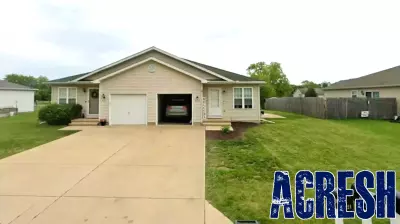
What were the best deals for residential properties in La Salle County the week of Oct. 5?A single-family home in La Salle that sold for $144,000 tops the list of the best real estate deals in La Salle County in the past week. The property led a group of transactions that show continued...

October 17, 2026 - 12:41
Rethinking Prevention Before Winter HitsThe old saying about an ounce of prevention is worth a pound of cure gets tested every year when cold weather arrives. With El Nino conditions in the forecast, homeowners have good reason to...

October 16, 2026 - 22:02
A Virginia Estate Built on Four Years of PatienceThe owners of a newly listed English manor style estate in Virginia hunt country did not rush the process. According to the listing details, they lived in a smaller cabin on the property for four...

October 16, 2026 - 01:16
Famed 'Seven Bridges' property in CT listed for $48 millionA sprawling Connecticut compound known as the Seven Bridges property has been listed for sale with an asking price of 48 million dollars. The offering brings together a rare combination of size,...